


A pedal bin, also known as a foot-operated trash can, is a common household item that offers convenience and hygiene. As a pedal supplier, I am often asked about how these bins work. In this blog post, I'll delve into the mechanics behind pedal bins, explore their components, and discuss their benefits.
The Basic Principle of a Pedal Bin
At its core, a pedal bin operates on a simple mechanical principle: the conversion of linear motion into rotational motion. When you press down on the pedal with your foot, you initiate a chain of mechanical actions that ultimately result in the lid of the bin opening.
The key to this process is a linkage system, which consists of a series of connected rods and levers. These components work together to transfer the force applied to the pedal to the lid of the bin. The design of the linkage system can vary depending on the specific model of the pedal bin, but the basic concept remains the same.
Components of a Pedal Bin
Let's take a closer look at the main components of a pedal bin and how they contribute to its functionality:
1. Pedal
The pedal is the part of the bin that you press with your foot. It is typically made of plastic or metal and is designed to be durable and easy to operate. When you apply pressure to the pedal, it moves downward, initiating the mechanical process that opens the lid.
2. Linkage System
As mentioned earlier, the linkage system is responsible for transferring the force from the pedal to the lid. It consists of a series of rods and levers that are connected in a specific way to ensure smooth and efficient operation. The linkage system is usually hidden inside the bin, but it plays a crucial role in the overall functionality of the pedal bin.
3. Lid
The lid of the pedal bin is connected to the linkage system and is designed to open and close smoothly. It is typically made of plastic or metal and may have a hinge mechanism that allows it to pivot open when the pedal is pressed. Some pedal bins also have a soft-close feature, which helps to prevent the lid from slamming shut.
4. Spring
Many pedal bins are equipped with a spring mechanism that helps to return the lid to its closed position after it has been opened. The spring provides the necessary force to counteract the weight of the lid and ensure that it closes securely. The strength of the spring can vary depending on the size and weight of the bin.
5. Bin Body
The bin body is the main container that holds the trash. It is usually made of plastic or metal and comes in a variety of sizes and shapes. The bin body may have a removable liner or bag holder to make it easier to empty the trash.
How the Components Work Together
Now that we understand the main components of a pedal bin, let's see how they work together to open and close the lid:
- Pressing the Pedal: When you press down on the pedal with your foot, you apply a downward force. This force is transferred to the linkage system, which begins to move.
- Moving the Linkage System: As the pedal moves downward, the linkage system converts the linear motion of the pedal into rotational motion. This rotational motion is then transferred to the lid of the bin.
- Opening the Lid: The rotational motion of the linkage system causes the lid to pivot open. The spring mechanism in the bin helps to support the lid and keep it open while you are depositing trash.
- Releasing the Pedal: Once you have finished depositing trash, you release the pedal. The spring mechanism then takes over and provides the force to close the lid. The lid returns to its closed position, sealing the trash inside the bin.
Benefits of Using a Pedal Bin
There are several benefits to using a pedal bin in your home or workplace:
1. Hygiene
One of the main advantages of a pedal bin is that it allows you to open and close the lid without touching it with your hands. This helps to reduce the spread of germs and bacteria, especially in areas where hygiene is important, such as kitchens and bathrooms.
2. Convenience
Pedal bins are very convenient to use. You can easily open the lid with your foot while your hands are full, making it easier to dispose of trash. This is especially useful when you are cooking or cleaning and don't want to touch the bin with dirty hands.

3. Aesthetics
Pedal bins come in a variety of styles and designs, so you can choose one that matches the decor of your home or workplace. They are available in different colors, materials, and sizes, allowing you to find the perfect bin for your needs.
4. Durability
Most pedal bins are made of high-quality materials that are designed to be durable and long-lasting. They can withstand regular use and are resistant to wear and tear. This makes them a cost-effective investment in the long run.
Related Products
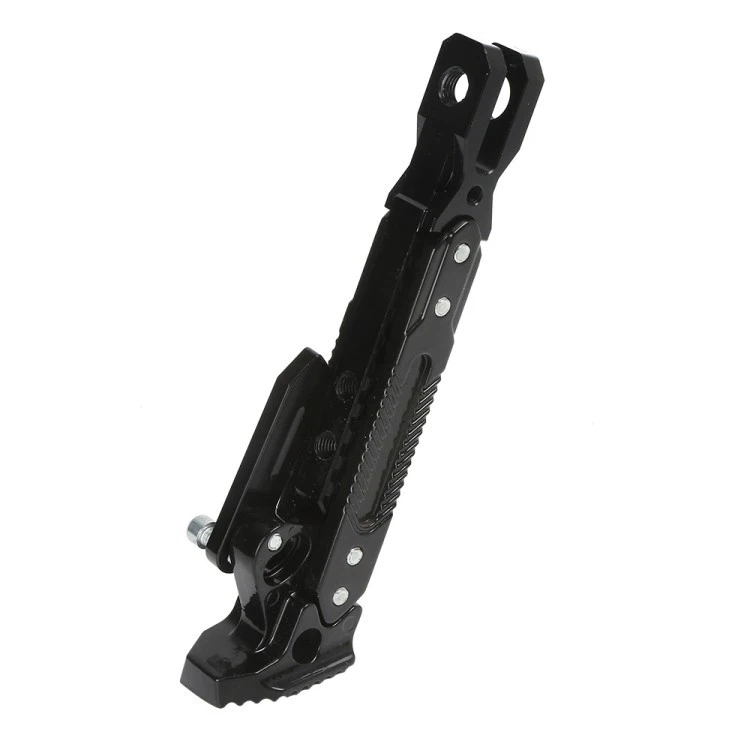
As a pedal supplier, we also offer a range of other pedal-related products for motorcycles. Check out our Adjustable Cnc Aluminum Foot Brace Side Stand Kickstand For Motorcycles New Condition Resistant Bracket, Hight Quality Beat Esp Mio I 125 M3 Genio Spacy Kvy Motorcycle Spare Parts Kick Start Lever, and Universal Motorcycle Modification Accessories Single Leg Support Assembly with Spring Pedal. These products are designed to enhance the performance and functionality of your motorcycle.
Contact Us for Procurement
If you are interested in purchasing pedal bins or any of our other pedal-related products, we would love to hear from you. Our team of experts can provide you with detailed information about our products, answer any questions you may have, and assist you with the procurement process. Contact us today to start the conversation and explore how our products can meet your needs.
References
- "The Physics of Everyday Things" by Louis A. Bloomfield
- "Mechanical Engineering Design" by Joseph E. Shigley and Charles R. Mischke


