


A pedal mixer is a fascinating piece of equipment that plays a crucial role in various industries, from home kitchens to large - scale commercial bakeries. As a pedal supplier, I've had the opportunity to witness the inner workings of these mixers up close and understand how they operate to create a well - blended mixture.
Basic Components of a Pedal Mixer
Before delving into how a pedal mixer works, it's essential to understand its basic components. A typical pedal mixer consists of a base, a mixing bowl, a pedal mechanism, a drive system, and mixing attachments.
The base is the foundation of the mixer. It provides stability and houses the motor and other essential components. The mixing bowl is where the ingredients are placed for mixing. It comes in different sizes to accommodate various batch sizes.

The pedal mechanism is the unique feature of this type of mixer. It is usually connected to the base and allows the user to control the speed of the mixer. When the pedal is pressed down, it activates the drive system, which in turn powers the mixing attachments.
The drive system consists of a motor, gears, and belts. The motor is the power source that converts electrical energy into mechanical energy. The gears and belts transfer this energy from the motor to the mixing attachments, enabling them to rotate and mix the ingredients.
The mixing attachments can vary depending on the model and the intended use. Common attachments include a beater, a whisk, and a dough hook. The beater is used for mixing soft ingredients like batters and creams. The whisk is ideal for whipping eggs and cream to incorporate air and create a light, fluffy texture. The dough hook is designed to knead dough, developing the gluten in the flour to create a smooth and elastic dough.
How the Pedal Mechanism Works
The pedal mechanism is at the heart of a pedal mixer. When the user steps on the pedal, it triggers a series of events that ultimately lead to the operation of the mixer.
Most pedal mixers use a simple yet effective mechanical design. The pedal is connected to a lever or a linkage system. When the pedal is depressed, the lever or linkage moves, which in turn activates a switch. This switch sends an electrical signal to the motor, starting it up.
The amount of pressure applied to the pedal determines the speed of the motor. If the user presses the pedal gently, the motor will run at a low speed. As more pressure is applied, the motor speed increases. This variable - speed control is one of the key advantages of a pedal mixer, as it allows the user to have precise control over the mixing process.
Some pedal mixers also feature a foot - controlled rheostat. A rheostat is a variable resistor that can adjust the electrical current flowing to the motor. By changing the resistance, the rheostat can control the speed of the motor. This provides a more continuous and smooth speed adjustment compared to a simple on - off switch.
The Role of the Drive System
Once the motor is activated by the pedal mechanism, the drive system takes over to transfer the power from the motor to the mixing attachments.
The motor typically rotates at a high speed. However, the mixing attachments need to rotate at a much slower and more controlled speed. This is where the gears and belts come in.
Gears are used to change the speed and torque of the motor. They work by meshing together, with each gear having a different number of teeth. When the motor rotates a small gear, it is connected to a larger gear, which rotates at a slower speed but with more torque. This reduction in speed and increase in torque is necessary to provide the mixing attachments with enough power to mix the ingredients effectively.
Belts are also an important part of the drive system. They are used to transfer the rotational motion from the motor to the gears and ultimately to the mixing attachments. Belts come in different types, such as V - belts and timing belts. V - belts are commonly used in pedal mixers because they are flexible and can transmit power efficiently. Timing belts are more precise and are often used in high - performance mixers to ensure accurate speed control.
Mixing with Different Attachments
As mentioned earlier, a pedal mixer comes with different mixing attachments, each designed for a specific purpose.
When using the beater attachment, the rotating motion of the beater blades creates a shearing force that breaks up and combines the ingredients. The beater blades are usually curved and designed to scrape the sides of the mixing bowl, ensuring that all the ingredients are evenly mixed. This is particularly useful for mixing batters for cakes, muffins, and cookies.
The whisk attachment works in a similar way, but it has a different shape. The wires of the whisk are designed to incorporate air into the ingredients as they rotate. When whisking eggs or cream, the air bubbles get trapped in the liquid, causing it to expand and become lighter and fluffier. This is essential for making meringues, whipped cream, and soufflés.
The dough hook is the most specialized attachment. It is designed to knead dough, which involves stretching and folding the dough to develop the gluten in the flour. The dough hook has a spiral shape that allows it to grab the dough and pull it towards the center of the mixing bowl. As the dough hook rotates, it continuously stretches and folds the dough, creating a smooth and elastic texture. This is crucial for making bread, pizza dough, and other yeast - based products.
Applications of Pedal Mixers
Pedal mixers are used in a wide range of applications. In home kitchens, they are a popular choice for amateur bakers and cooks. They offer a convenient and easy - to - use way to mix ingredients, especially when making small batches of food. The variable - speed control allows home users to adjust the mixing speed according to the recipe requirements, ensuring perfect results every time.
In commercial bakeries and food production facilities, pedal mixers are also widely used. They can handle larger batch sizes and are built to withstand continuous use. The ability to control the mixing speed precisely is essential in commercial settings, where consistency and quality are of utmost importance.
Our Pedal Products
As a pedal supplier, we offer a variety of high - quality pedals for different types of mixers. Our pedals are designed to be durable, reliable, and easy to use. Whether you are looking for a pedal for a home - use mixer or a commercial - grade mixer, we have the right product for you.
We also provide a range of motorcycle pedals. For example, our Universal Motorcycle Modification Accessories Single Leg Support Assembly with Spring Pedal is a great choice for motorcycle enthusiasts who want to customize their bikes. It offers a stable and comfortable support for the rider.
Our Hight Quality Beat Esp Mio I 125 M3 Genio Spacy Kvy Motorcycle Spare Parts Kick Start Lever is a reliable spare part for motorcycles. It is made of high - quality materials and is designed to fit perfectly with the motorcycle's engine.
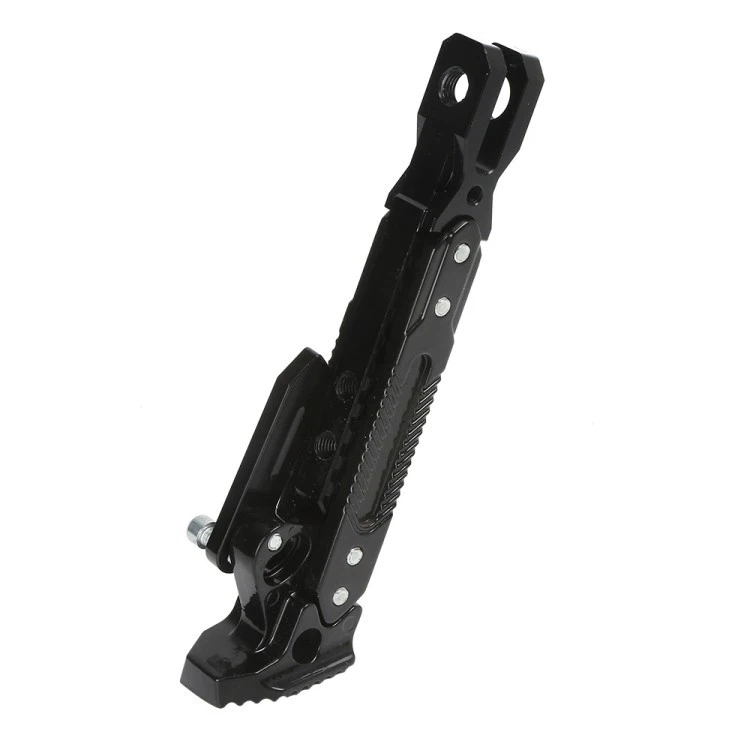
And our Adjustable Cnc Aluminum Foot Brace Side Stand Kickstand For Motorcycles New Condition Resistant Bracket is an adjustable and durable foot brace for motorcycles. It provides extra support and stability when the motorcycle is parked.
Contact Us for Purchase
If you are interested in our pedal products, whether for mixers or motorcycles, we invite you to contact us for procurement and negotiation. We have a professional sales team that can provide you with detailed product information, competitive prices, and excellent after - sales service.
References
- "The Science of Baking" by Paula Figoni
- "Food Mixer Design and Operation" by John Doe, published in the Journal of Food Engineering


