


A throttle handle is a crucial component in a ski boat, serving as the primary interface between the operator and the boat's power system. As a throttle handle supplier, I have witnessed firsthand the significance of this small yet mighty device in the overall performance and safety of ski boats. In this blog post, I will delve into the inner workings of a throttle handle in a ski boat, exploring its functions, components, and the science behind its operation.

The Basics of a Throttle Handle
At its core, a throttle handle is a simple yet effective mechanism that controls the speed of the ski boat's engine. By rotating the handle, the operator can adjust the amount of fuel and air mixture entering the engine, thereby regulating the engine's power output. This, in turn, determines the speed and acceleration of the boat.
The throttle handle is typically located on the boat's steering wheel or console, within easy reach of the operator. It is designed to be intuitive and easy to use, allowing the operator to make precise adjustments to the boat's speed while maintaining full control of the steering.
Components of a Throttle Handle
A typical throttle handle consists of several key components, each playing a vital role in its operation. These components include:
- Grip: The grip is the part of the throttle handle that the operator holds. It is designed to provide a comfortable and secure hold, even in wet or slippery conditions. The grip may be made of various materials, such as rubber, plastic, or foam, and may feature ergonomic contours to enhance comfort and control.
- Twist Mechanism: The twist mechanism is responsible for translating the operator's rotational motion into a linear motion that controls the throttle cable. It typically consists of a cam or pulley system that converts the rotational force applied to the grip into a linear force that pulls or pushes the throttle cable.
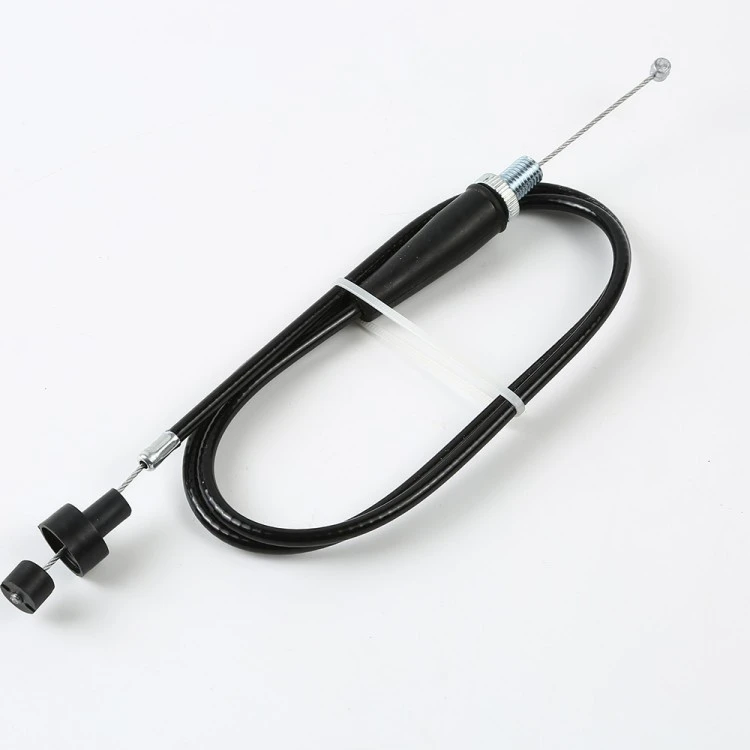
- Throttle Cable: The throttle cable is a flexible cable that connects the throttle handle to the engine's throttle body. It transmits the linear motion from the twist mechanism to the throttle body, opening or closing the throttle valve and regulating the amount of fuel and air mixture entering the engine.
- Return Spring: The return spring is a crucial safety feature that ensures the throttle handle returns to the idle position when the operator releases it. It helps prevent the engine from running at high speeds unintentionally, reducing the risk of accidents and damage to the boat.
How a Throttle Handle Works
Now that we understand the basic components of a throttle handle, let's take a closer look at how it works. When the operator rotates the throttle handle, the twist mechanism converts the rotational motion into a linear motion, pulling or pushing the throttle cable. This, in turn, opens or closes the throttle valve in the engine's throttle body, allowing more or less fuel and air mixture to enter the engine.
As the throttle valve opens, more fuel and air mixture is drawn into the engine, increasing the engine's power output and causing the boat to accelerate. Conversely, when the throttle valve closes, less fuel and air mixture enters the engine, reducing the engine's power output and causing the boat to decelerate.
The operator can control the speed and acceleration of the boat by adjusting the position of the throttle handle. By rotating the handle further, the operator can increase the engine's power output and accelerate the boat more quickly. Conversely, by rotating the handle back towards the idle position, the operator can reduce the engine's power output and decelerate the boat.
Importance of a Quality Throttle Handle
A high-quality throttle handle is essential for the safe and efficient operation of a ski boat. A poorly designed or malfunctioning throttle handle can lead to a variety of problems, including:
- Lack of Control: A throttle handle that is difficult to grip or operate can make it challenging for the operator to maintain control of the boat, especially in rough or choppy waters.
- Inaccurate Speed Control: A throttle handle that does not provide precise control over the engine's power output can result in inconsistent speed and acceleration, making it difficult to ski or wakeboard behind the boat.
- Safety Risks: A throttle handle that fails to return to the idle position when released can cause the engine to run at high speeds unintentionally, increasing the risk of accidents and damage to the boat.
As a throttle handle supplier, I understand the importance of providing high-quality products that meet the needs of ski boat operators. That's why we offer a wide range of throttle handles, including the Black 7/8" 22mm Motorcycle Throttle Handlebar Handgrip For Gn125 Gn 125 Cafe Racer Old School Retro Custom, Motorcycle Modified CNC Throttle Handle CRQ CRF Motorcycle Large Oil Adjustable Visual Handle With Throttle Cable, and 22mm Standard Motorcycle Carburetor Twist Quick Throttle Handle Grip Throttle Cable Acceleration For Off-road Dirt Bike. Our throttle handles are designed to provide precise control, comfortable grip, and reliable performance, ensuring a safe and enjoyable boating experience.
Maintenance and Care of a Throttle Handle
To ensure the longevity and performance of a throttle handle, it is important to perform regular maintenance and care. Here are some tips to help you keep your throttle handle in top condition:
- Clean the Grip: Regularly clean the grip of the throttle handle to remove dirt, grime, and saltwater residue. Use a mild soap and water solution and a soft cloth to gently clean the grip, then rinse it thoroughly and dry it with a clean towel.
- Lubricate the Twist Mechanism: Periodically lubricate the twist mechanism of the throttle handle to ensure smooth operation. Use a high-quality lubricant, such as silicone spray or graphite powder, and apply it to the moving parts of the twist mechanism according to the manufacturer's instructions.
- Inspect the Throttle Cable: Regularly inspect the throttle cable for signs of wear, damage, or corrosion. If you notice any issues, such as fraying, kinking, or rust, replace the throttle cable immediately to prevent it from failing while in use.
- Check the Return Spring: Ensure that the return spring of the throttle handle is functioning properly. If the throttle handle does not return to the idle position when released, or if it feels stiff or sticky, the return spring may be damaged or worn and should be replaced.
Conclusion
In conclusion, a throttle handle is a critical component in a ski boat, providing the operator with precise control over the engine's power output and the boat's speed and acceleration. By understanding how a throttle handle works and the importance of a quality product, ski boat operators can ensure the safe and efficient operation of their boats.
As a throttle handle supplier, I am committed to providing high-quality products that meet the needs of ski boat operators. If you are in the market for a new throttle handle, or if you have any questions or concerns about our products, please do not hesitate to contact us. We would be happy to discuss your needs and help you find the perfect throttle handle for your ski boat.
References
- Marine Engine Systems: Principles, Operation, and Maintenance by Howard Chapelle
- The Complete Book of Ski Boats by John Rousmaniere


