


Optimizing the design of a fixed support is a crucial task that can significantly enhance its performance, durability, and overall value. As a fixed support supplier, I've witnessed firsthand the impact of well - designed fixed supports in various applications, especially in the motorcycle industry. In this blog, I'll share some key strategies and considerations for optimizing the design of a fixed support.
Understanding the Application Requirements
The first step in optimizing the design of a fixed support is to thoroughly understand the application requirements. Different applications have different loads, environmental conditions, and performance expectations. For example, in the motorcycle industry, fixed supports are used for a variety of purposes, such as holding oil pipes, brake pumps, and other components.
The Motorcycle Modified Cnc Parts Oil Pipe Clamp Honda General Aluminum Alloy Clamp For for Yamaha Xt660 Xt660r is designed to securely hold oil pipes in place. The design must take into account the vibration and movement of the motorcycle, as well as the pressure and temperature of the oil flowing through the pipes. Similarly, the Motorcycle Cnc Aluminum Alloy Oil Cup Bracket Adjustable Brake Pump Horn Oil Pot Bracket Modification Parts needs to support the weight of the oil cup and withstand the forces generated during braking.
Material Selection
Material selection is another critical factor in optimizing the design of a fixed support. The material should have the appropriate strength, stiffness, and corrosion resistance for the application. In the motorcycle industry, aluminum alloy is a popular choice for fixed supports due to its lightweight, high strength - to - weight ratio, and good corrosion resistance.
For instance, the fixed supports mentioned above are made of aluminum alloy. This material not only reduces the overall weight of the motorcycle but also provides sufficient strength to hold the components in place. However, in some high - stress applications, such as the Off - road Motorcycle Modification Accessories Titanium Ruler Balance Bar CNC Fixed Seat Bracket, titanium may be a better choice. Titanium has excellent strength, low density, and high fatigue resistance, making it suitable for withstanding the harsh conditions of off - road riding.
Geometric Design
The geometric design of a fixed support can have a significant impact on its performance. A well - designed geometry can distribute the load evenly, reduce stress concentrations, and improve the overall stability of the support.

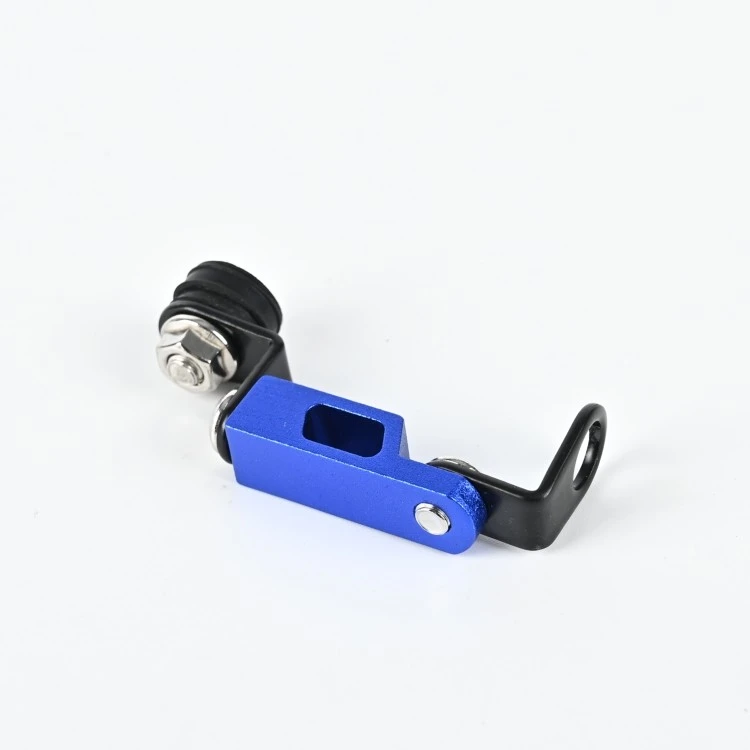
One common approach is to use ribbing or stiffening elements in the design. These elements can increase the stiffness of the support without adding excessive weight. For example, in the design of the oil pipe clamp, ribs can be added to the sides of the clamp to enhance its resistance to bending and twisting forces.
Another important consideration is the shape of the contact surface. A proper contact surface can ensure a secure fit between the fixed support and the component it is holding. For example, the oil cup bracket should have a shape that matches the contour of the oil cup to provide maximum support.
Manufacturing Process
The manufacturing process also plays a vital role in optimizing the design of a fixed support. CNC machining is a popular method for manufacturing high - precision fixed supports in the motorcycle industry. This process allows for tight tolerances and complex geometries, ensuring that the fixed support meets the exact specifications of the design.
CNC machining can also produce smooth surfaces, which can reduce friction and wear between the fixed support and the component it is holding. Additionally, it enables the production of parts with consistent quality, which is essential for ensuring the reliability of the fixed support.
Testing and Validation
Once the design of the fixed support is complete, it is essential to conduct testing and validation to ensure that it meets the performance requirements. This can include static and dynamic load testing, vibration testing, and environmental testing.
Static load testing can verify the strength of the fixed support under a constant load. Dynamic load testing, on the other hand, can simulate the real - world conditions of the application, such as the vibration and movement of a motorcycle. Vibration testing can help identify any potential resonance issues that could lead to premature failure of the fixed support.
Environmental testing can evaluate the performance of the fixed support under different environmental conditions, such as temperature, humidity, and corrosion. By conducting these tests, any design flaws can be identified and corrected before the fixed support is mass - produced.
Cost - Benefit Analysis
In addition to performance, cost is also an important consideration in the design optimization process. A cost - benefit analysis should be conducted to ensure that the design improvements are cost - effective. This involves evaluating the cost of materials, manufacturing, and testing against the expected benefits, such as improved performance, durability, and customer satisfaction.
For example, using a more expensive material like titanium may provide better performance, but it may also increase the cost significantly. In such cases, a balance needs to be struck between the cost and the performance requirements of the application.
Continuous Improvement
The design of a fixed support is not a one - time process. It should be continuously improved based on feedback from customers, field performance data, and technological advancements. By staying updated with the latest trends and technologies in the industry, we can develop more innovative and efficient fixed support designs.
For example, new materials or manufacturing processes may become available that can further enhance the performance and reduce the cost of fixed supports. By incorporating these advancements into our designs, we can provide better products to our customers.
Conclusion
Optimizing the design of a fixed support is a complex but rewarding process. By understanding the application requirements, selecting the right materials, designing the appropriate geometry, using the correct manufacturing process, conducting thorough testing, and performing a cost - benefit analysis, we can develop high - performance fixed supports that meet the needs of our customers.
If you are interested in our fixed support products or have any questions about the design optimization process, please feel free to contact us for procurement and further discussions. We are committed to providing you with the best solutions for your fixed support needs.
References
- Callister, W. D., & Rethwisch, D. G. (2011). Materials Science and Engineering: An Introduction. Wiley.
- Shigley, J. E., Mischke, C. R., & Budynas, R. G. (2004). Mechanical Engineering Design. McGraw - Hill.


