


Using an oil cup in a printing press is a crucial aspect of maintaining the machine's performance and longevity. As an oil cup supplier, I've witnessed firsthand how the proper use of oil cups can significantly enhance the efficiency and reliability of printing presses. In this blog post, I'll share some insights on how to use an oil cup effectively in a printing press.
Understanding the Role of an Oil Cup in a Printing Press
Before delving into the usage, it's essential to understand why oil cups are vital in a printing press. Printing presses consist of numerous moving parts, such as gears, rollers, and bearings. These parts generate friction during operation, which can lead to wear and tear, overheating, and ultimately, mechanical failure. An oil cup serves as a reservoir for lubricating oil, which is continuously supplied to the moving parts to reduce friction, prevent corrosion, and dissipate heat.
Types of Oil Cups for Printing Presses
There are several types of oil cups available for printing presses, each designed to meet specific requirements. Some common types include:
- Sight Feed Oil Cups: These oil cups have a transparent body that allows operators to visually monitor the oil level and flow rate. They are ideal for applications where it's necessary to ensure a continuous supply of oil.
- Wick Feed Oil Cups: Wick feed oil cups use a wick to draw oil from the reservoir and deliver it to the moving parts. They are simple, reliable, and suitable for low - speed applications.
- Automatic Oil Cups: These oil cups are equipped with a mechanism that automatically regulates the oil flow based on the machine's operation. They are commonly used in high - speed and precision printing presses.
Selecting the Right Oil Cup
Choosing the right oil cup for your printing press is crucial. Consider the following factors:
- Press Type and Size: Different printing presses have different lubrication requirements. Larger and more complex presses may require oil cups with higher capacity and more advanced features.
- Operating Conditions: If the press operates in a high - temperature or dusty environment, you'll need an oil cup that can withstand these conditions and prevent contamination of the oil.
- Oil Compatibility: Ensure that the oil cup is compatible with the type of lubricating oil used in the printing press. Some oils may react with certain materials, leading to degradation of the oil cup or the oil itself.
Installation of the Oil Cup
Proper installation of the oil cup is essential for its effective operation. Here are the steps:
- Choose the Installation Location: Select a location on the printing press where the oil cup can easily supply oil to the moving parts that need lubrication. The location should be accessible for inspection and maintenance.
- Clean the Mounting Surface: Before installing the oil cup, clean the mounting surface to remove any dirt, debris, or old oil. This ensures a secure and leak - free installation.
- Install the Oil Cup: Follow the manufacturer's instructions to install the oil cup. Make sure it is tightly secured to prevent leakage. Connect the oil cup to the lubrication points using appropriate tubing or fittings.
Filling the Oil Cup
Once the oil cup is installed, it's time to fill it with lubricating oil.
- Select the Right Oil: Use the type of oil recommended by the printing press manufacturer. The oil should have the appropriate viscosity and additives to meet the lubrication requirements of the press.
- Fill the Oil Cup: Slowly pour the oil into the oil cup until it reaches the recommended level. Avoid overfilling, as this can cause oil to spill and contaminate the printing press. You can refer to the oil cup's markings or the manufacturer's guidelines for the correct fill level.
Monitoring and Maintenance
Regular monitoring and maintenance of the oil cup are necessary to ensure its proper functioning.
- Check the Oil Level: Periodically check the oil level in the oil cup. If the level is low, refill the oil immediately. This helps to maintain a continuous supply of oil to the moving parts.
- Inspect for Leakage: Look for any signs of oil leakage around the oil cup and its connections. Leakage can lead to oil loss and contamination of the printing press. If you detect a leak, repair it promptly.
- Clean the Oil Cup: Over time, dirt and debris can accumulate in the oil cup. Clean the oil cup regularly to prevent clogging of the oil passages. Use a suitable cleaning agent and follow the manufacturer's instructions.
- Replace the Oil: Change the lubricating oil at the recommended intervals. Old oil can lose its lubricating properties and become contaminated, which can affect the performance of the printing press.
Benefits of Using an Oil Cup Correctly
Using an oil cup correctly in a printing press offers several benefits:

- Extended Machine Life: Proper lubrication reduces wear and tear on the moving parts, extending the lifespan of the printing press.
- Improved Print Quality: By ensuring smooth operation of the press, the use of an oil cup can contribute to better print quality, with fewer defects and more consistent results.
- Reduced Downtime: Regular maintenance of the oil cup helps to prevent breakdowns and reduces the need for costly repairs, minimizing downtime.
Related Product Recommendation
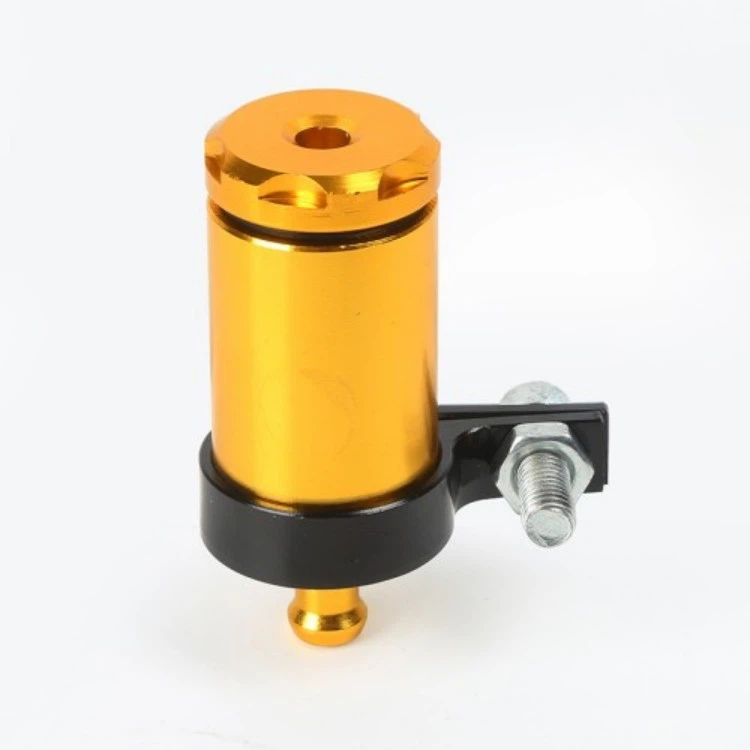
If you're interested in high - quality oil cups, we also offer a Motorcycle Accessories Rear Brake Fluid Tank Oil Cup Reservoir Cover Cnc Aluminum For Universal. Although it's mainly for motorcycles, it showcases our expertise in manufacturing precision oil - related components.
Contact for Purchase
If you're looking to purchase oil cups for your printing press or have any questions about our products, feel free to reach out. We are ready to assist you in finding the right solutions for your specific needs. Our team of experts can provide detailed information, technical support, and guidance on the selection and use of oil cups. Start a conversation with us today to enhance the performance of your printing press.
References
- Printing Press Maintenance Manuals
- Lubrication Technology for Industrial Machines - Textbooks
- Manufacturer's Specifications for Oil Cups


