


Hey there! As a supplier of fixed supports, I've been in the business long enough to know that when it comes to high - rise buildings, there are a ton of things to consider for fixed supports. Let's dive right in and take a look at what these considerations are.
Structural Loads
First off, we've got to talk about structural loads. High - rise buildings are subject to all kinds of loads, like dead loads (the weight of the building itself), live loads (people, furniture, etc.), wind loads, and seismic loads. Fixed supports need to be able to handle these loads without failing.
Dead loads are relatively constant, but they can be huge in a high - rise. The weight of the floors, walls, and the entire superstructure bears down on the fixed supports. We need to make sure that the supports we supply are strong enough to carry this weight. For example, if a building has a lot of heavy equipment on a particular floor, the fixed supports in that area need to be beefed up to handle the extra load.
Live loads are more variable. People move around, and furniture gets rearranged. In a commercial high - rise, the live load can change a lot depending on the occupancy. Our fixed supports need to be designed to accommodate these fluctuations.
Wind loads are a major concern in high - rise buildings. As the wind blows against the building, it creates pressure. This pressure can push and pull on the building, and the fixed supports need to resist these forces. Tall buildings are more exposed to strong winds, so the design of the fixed supports has to take into account the wind speed and direction in the area. Some high - rise areas are known for strong, gusty winds, and in those cases, we might recommend using more flexible fixed supports that can absorb the wind energy without breaking.
Seismic loads are also critical, especially in earthquake - prone regions. Earthquakes can cause the ground to shake violently, and the building needs to stay stable. Fixed supports need to be able to withstand the lateral forces generated during an earthquake. We might use special seismic - resistant designs for our fixed supports in these areas. For instance, some supports are designed to allow a certain amount of movement during an earthquake, which helps to dissipate the energy and prevent damage to the building.
Material Selection
The choice of materials for fixed supports is crucial. We offer a variety of materials, each with its own pros and cons.
Steel is a popular choice. It's strong, durable, and can be easily fabricated into different shapes. Steel fixed supports can handle high loads and are resistant to corrosion if properly coated. However, steel can be heavy, which might increase the overall weight of the building.
Aluminum is another option. It's lightweight, which is great for reducing the load on the building. Aluminum also has good corrosion resistance, especially in coastal areas where there's a lot of salt in the air. But it's not as strong as steel, so it might not be suitable for applications with extremely high loads.
Concrete is often used for large - scale fixed supports. It's very strong in compression and can be formed into large, stable structures. However, concrete is brittle and can crack under tension. We need to reinforce it with steel bars to make it more resistant to lateral forces.
Installation and Maintenance
Proper installation is key to the performance of fixed supports. If the supports are not installed correctly, they won't be able to function as intended. We always provide detailed installation instructions to our customers, and we even offer on - site training if needed.
During installation, the alignment of the fixed supports is crucial. Even a small misalignment can cause uneven loading, which can lead to premature failure. The supports need to be securely attached to the building structure, and all the fasteners need to be tightened to the correct torque.
Maintenance is also an important consideration. Over time, fixed supports can be affected by environmental factors, such as corrosion, wear and tear. Regular inspections are necessary to check for any signs of damage or deterioration. We recommend that our customers have their fixed supports inspected at least once a year. If any issues are found, we can provide repair or replacement services.
Compatibility with Other Building Systems
Fixed supports need to be compatible with other building systems. For example, they need to work well with the building's plumbing, electrical, and HVAC systems. If the supports interfere with these systems, it can cause problems during construction and in the long - term operation of the building.
We need to coordinate with other contractors and designers to ensure that the fixed supports fit seamlessly into the overall building design. This might involve making some custom modifications to the supports to accommodate the other systems.
Cost - Effectiveness
Cost is always a factor in any construction project. We understand that our customers want high - quality fixed supports at a reasonable price. We offer a range of products at different price points to meet the budget requirements of our customers.
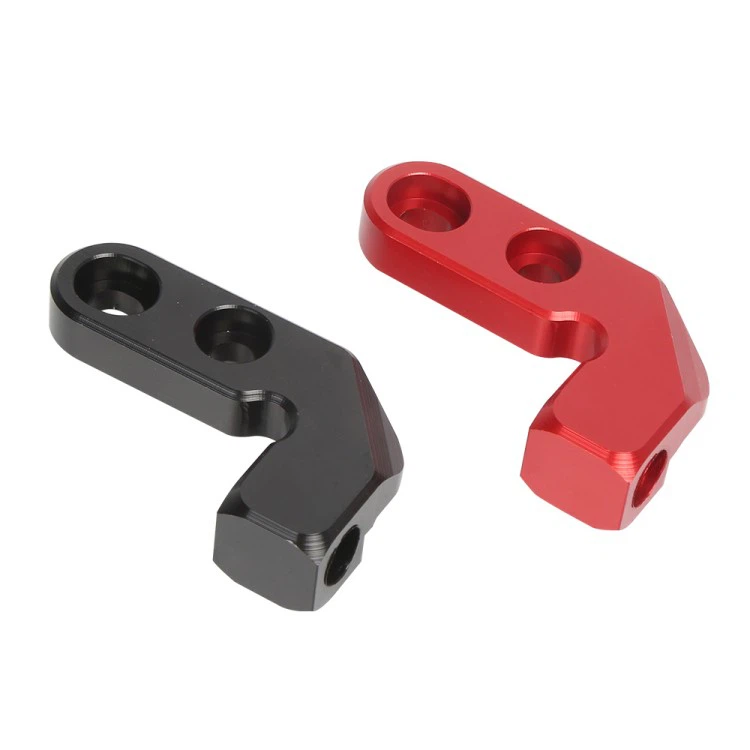

When considering cost - effectiveness, we look at the long - term value of the fixed supports. A more expensive support might have a longer lifespan and require less maintenance, which can save money in the long run. We work with our customers to find the best balance between cost and performance.
Our Product Range
We also supply fixed supports for other applications, like motorcycles. Check out some of our cool products: Motorcycle Modified Cnc Parts Oil Pipe Clamp Honda General Aluminum Alloy Clamp For for Yamaha Xt660 Xt660r, Bracket Stut Kopling Kawasaki Ninja R Rr Ss Xxz Racing Full Cnc New, and Motorcycle Cnc Aluminum Alloy Oil Cup Bracket Adjustable Brake Pump Horn Oil Pot Bracket Modification Parts.
Contact Us for Procurement
If you're in the market for fixed supports for your high - rise building or other projects, we'd love to talk to you. We can provide you with more information about our products, answer your questions, and help you find the right solution for your needs. Don't hesitate to reach out and start the procurement discussion.
References
- Building Codes and Standards: Various national and local building codes provide guidelines on the design and installation of fixed supports in high - rise buildings.
- Engineering textbooks on structural engineering: These textbooks cover topics such as load calculations, material properties, and support design.
- Industry research papers: There are many research papers available that discuss the latest developments in fixed support technology and their application in high - rise buildings.


