


When it comes to the safety of golf carts, crashworthiness design is of paramount importance. As a crashworthiness supplier, I have witnessed firsthand the significance of incorporating proper design considerations to enhance the safety of these vehicles. In this blog post, I will delve into the key crashworthiness design considerations for golf carts, highlighting the features and technologies that can make a substantial difference in protecting passengers during collisions.
Structural Integrity
One of the fundamental aspects of crashworthiness design is ensuring the structural integrity of the golf cart. The frame and body of the vehicle should be engineered to withstand the forces generated during a crash. This involves using high - strength materials such as steel or aluminum alloys, which can absorb and distribute impact energy effectively.
A well - designed frame acts as a protective cage around the passengers. It should be able to deform in a controlled manner during a collision, rather than collapsing suddenly. This controlled deformation helps to dissipate the energy of the impact, reducing the forces transferred to the occupants. For example, crumple zones can be strategically placed at the front and rear of the golf cart. These areas are designed to crush upon impact, absorbing a significant portion of the energy and protecting the passenger compartment.
Occupant Restraint Systems
Occupant restraint systems are crucial for protecting passengers in the event of a crash. Seat belts are the most basic and effective form of restraint. They should be properly installed and adjusted to ensure a snug fit for each passenger. High - quality seat belts with strong buckles and retractors are essential.
In addition to seat belts, some advanced golf carts may incorporate other restraint features such as airbags. Similar to those in automobiles, airbags can deploy rapidly during a collision, providing an additional cushioning effect for the passengers. However, the design and implementation of airbags in golf carts need to be carefully calibrated due to the relatively lower speeds and different impact scenarios compared to cars.
Energy Absorbing Materials
Using energy - absorbing materials is another important consideration in crashworthiness design. These materials can be used in various parts of the golf cart, such as the dashboard, door panels, and seats. For instance, foam padding can be added to the interior surfaces to reduce the risk of head and body injuries during a collision.
The exterior of the golf cart can also benefit from energy - absorbing materials. Bumpers made of rubber or other flexible materials can absorb some of the impact energy upon contact with an object, minimizing damage to the vehicle and reducing the severity of the collision for the occupants.
Visibility and Lighting
Good visibility is not only important for normal operation but also plays a role in crashworthiness. Properly designed lighting systems, including headlights, taillights, and turn signals, are essential for making the golf cart visible to other vehicles and pedestrians. This helps to prevent collisions in the first place.
In addition, the layout of the windshield and windows should provide clear visibility for the driver. Tinted or scratched windows can reduce visibility and increase the risk of accidents. Anti - glare coatings on the windshield can also improve visibility, especially in bright sunlight or at night.
Braking Systems
A reliable braking system is a cornerstone of crashworthiness. Golf carts should be equipped with efficient brakes that can stop the vehicle quickly and safely. Disc brakes are often preferred over drum brakes due to their better performance and durability.
Regular maintenance of the braking system is also crucial. This includes checking the brake pads, rotors, and fluid levels. A well - maintained braking system can significantly reduce the stopping distance of the golf cart, minimizing the risk of a collision.
Steering and Suspension
The steering and suspension systems of a golf cart also contribute to its crashworthiness. A responsive steering system allows the driver to maneuver the vehicle effectively, avoiding potential collisions. The suspension system, on the other hand, helps to keep the wheels in contact with the ground, providing better traction and stability.
Properly tuned suspension can also reduce the impact of bumps and uneven surfaces, which can otherwise cause the golf cart to lose control. This is particularly important when the vehicle is traveling at higher speeds or on rough terrain.
Collision Avoidance Technologies
In recent years, there has been an increasing focus on collision avoidance technologies in the automotive industry, and these concepts are also applicable to golf carts. For example, sensors can be installed on the golf cart to detect obstacles in its path. These sensors can trigger an alarm or even automatically apply the brakes if a collision is imminent.
Another emerging technology is rear - view cameras. These cameras can provide the driver with a clear view of the area behind the golf cart, reducing the risk of backing into other vehicles or pedestrians.
Our Products and Their Contribution to Crashworthiness
As a crashworthiness supplier, we offer a range of products that can enhance the safety of golf carts. For instance, we provide high - quality seat belts and airbag systems that are specifically designed for golf cart applications. Our seat belts are made from strong, durable materials and are rigorously tested to ensure their reliability.
We also supply energy - absorbing materials that can be easily integrated into the golf cart's design. These materials can be used to improve the impact resistance of the interior and exterior components of the vehicle.
Moreover, our braking system components, such as brake pads and rotors, are engineered to provide optimal performance. They are designed to withstand the unique demands of golf cart operation, ensuring reliable stopping power.
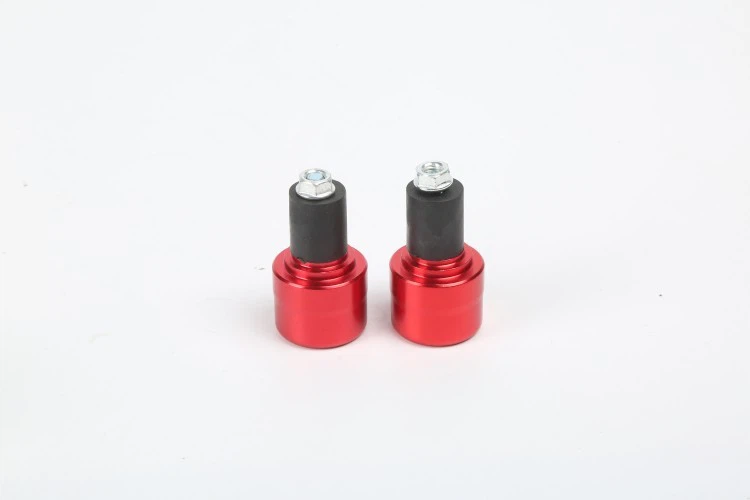

In addition, we have a variety of related products in our motorcycle crashworthiness category. You can check out our Motorcycle Tuning Parts Plastic Hand Guard And Handlebar Windshield Throttle Combination Accessories with Rubber Cover, Cnc Alloy Universal Motorcycle Aluminum Alloy Front Fork Cup Falling Crush Protector Explosion - proof Sliders Crash, and Cnc Handlebar Grips Handle Bar Cap End Plugs Motorcycle Parts Universal For Honda Yamaha Suzuki K Bmw Kawasaki. These products, although for motorcycles, share some similar principles of crashworthiness design and can give you an idea of our engineering capabilities and product quality.
Conclusion and Call to Action
Crashworthiness design is a multi - faceted discipline that requires careful consideration of various factors. By focusing on structural integrity, occupant restraint systems, energy - absorbing materials, and other aspects, we can significantly improve the safety of golf carts.
If you are a golf cart manufacturer or an operator looking to enhance the crashworthiness of your vehicles, we are here to help. Our team of experts can work with you to develop customized solutions that meet your specific needs. Whether it's providing high - quality safety components or offering design consultation, we are committed to ensuring the safety of your passengers. Contact us today to start a discussion about your crashworthiness requirements and explore how our products and services can benefit your golf cart operations.
References
- "Vehicle Crashworthiness Design: Principles and Practice" by David Crolla
- "Occupant Protection in Road Traffic Accidents" by John Fildes and Andrew Woodrooffe
- Industry standards and guidelines for golf cart safety issued by relevant regulatory bodies.


