


Crashworthiness is a crucial aspect in the design of boats, aiming to minimize the impact forces and potential damage during collisions, grounding, or other accident scenarios. As a dedicated crashworthiness supplier, I have witnessed firsthand the importance of implementing effective design strategies to enhance the safety and resilience of boats. In this blog post, I will delve into the various crashworthiness design strategies for boats, exploring how they work and their significance in the maritime industry.
Energy Absorption Mechanisms
One of the primary strategies in boat crashworthiness design is the incorporation of energy absorption mechanisms. These mechanisms are designed to dissipate the kinetic energy generated during a collision, reducing the impact forces transferred to the boat's structure and its occupants. There are several ways to achieve energy absorption in boats, including the use of crushable materials and deformable structures.
Crushable materials, such as foam-filled panels or honeycomb structures, can be strategically placed in areas of the boat that are likely to experience high impact forces during a collision. When the boat collides with an object, these materials deform and absorb energy, effectively reducing the peak impact forces. For example, foam-filled fenders can be installed along the sides of the boat to provide additional cushioning and energy absorption during berthing or collisions with other vessels.
Deformable structures, on the other hand, are designed to undergo controlled deformation during a collision, dissipating energy in the process. This can be achieved through the use of sacrificial elements, such as collapsible frames or impact-absorbing bulkheads. These elements are designed to absorb energy by deforming in a predictable manner, protecting the main structure of the boat from excessive damage. For instance, a collapsible bow structure can be designed to crumple upon impact, absorbing a significant amount of energy and reducing the likelihood of the boat being penetrated.
Structural Reinforcement
Another important aspect of boat crashworthiness design is structural reinforcement. By strengthening the boat's structure, designers can improve its ability to withstand impact forces and prevent catastrophic failure during a collision. There are several ways to reinforce a boat's structure, including the use of high-strength materials and optimized structural geometries.
High-strength materials, such as carbon fiber composites or high-tensile steel, can be used to replace traditional materials in critical areas of the boat, such as the hull and the deck. These materials offer superior strength-to-weight ratios, allowing for a lighter and more fuel-efficient boat without compromising on safety. For example, carbon fiber composites can be used to reinforce the hull of a high-speed boat, providing increased stiffness and resistance to impact forces.
Optimized structural geometries can also play a significant role in enhancing the crashworthiness of a boat. By carefully designing the shape and layout of the boat's structure, designers can distribute the impact forces more evenly, reducing the stress concentrations and minimizing the risk of structural failure. For instance, a double-hull design can provide additional protection in the event of a collision, as the outer hull can absorb a significant amount of the impact energy before it reaches the inner hull.
Collision Avoidance Systems
In addition to energy absorption mechanisms and structural reinforcement, collision avoidance systems can also play a crucial role in improving the crashworthiness of boats. These systems are designed to detect potential collisions and alert the boat's operator in a timely manner, allowing them to take appropriate action to avoid or mitigate the impact.
There are several types of collision avoidance systems available for boats, including radar, sonar, and automatic identification systems (AIS). Radar systems use radio waves to detect the presence and location of other vessels or objects in the vicinity of the boat. Sonar systems, on the other hand, use sound waves to detect underwater objects, such as rocks or other boats. AIS systems provide real-time information about the position, speed, and course of other vessels, allowing the boat's operator to make informed decisions and avoid collisions.
By incorporating collision avoidance systems into the design of a boat, designers can significantly reduce the risk of collisions and improve the overall safety of the vessel. These systems can also provide valuable information to the boat's operator in emergency situations, helping them to navigate safely and avoid potential hazards.
Human Factors Considerations
Finally, it is important to consider the human factors involved in boat crashworthiness design. While energy absorption mechanisms, structural reinforcement, and collision avoidance systems can all play a significant role in improving the safety of a boat, the behavior and actions of the boat's occupants can also have a major impact on the outcome of a collision.
For example, proper training and education of boat operators can help to reduce the risk of collisions and improve the overall safety of the vessel. Boat operators should be trained in basic navigation skills, collision avoidance techniques, and emergency procedures. They should also be aware of the limitations of the boat and the importance of following safety regulations and guidelines.
In addition, the design of the boat's interior can also have a significant impact on the safety and comfort of the occupants during a collision. The layout of the seating, the placement of safety equipment, and the design of the cabin can all affect the ability of the occupants to withstand the impact forces and escape the boat in the event of an emergency.

Conclusion
In conclusion, crashworthiness is a critical aspect in the design of boats, and implementing effective design strategies is essential to enhance the safety and resilience of these vessels. By incorporating energy absorption mechanisms, structural reinforcement, collision avoidance systems, and human factors considerations into the design process, designers can significantly reduce the risk of collisions and improve the overall safety of boats.
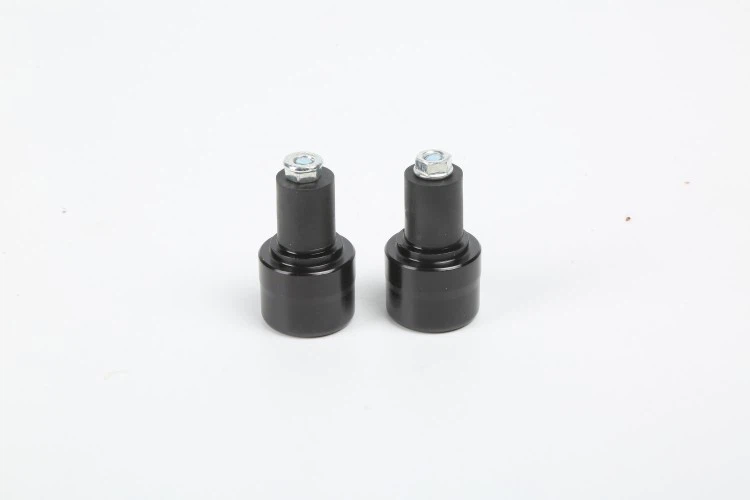
As a crashworthiness supplier, I am committed to providing high-quality products and solutions that help to enhance the crashworthiness of boats. Our range of products includes Motorcycle Tuning Parts Plastic Hand Guard And Handlebar Windshield Throttle Combination Accessories with Rubber Cover, Cnc Alloy Universal Motorcycle Aluminum Alloy Front Fork Cup Falling Crush Protector Explosion-proof Sliders Crash, and Cnc Handlebar Grips Handle Bar Cap End Plugs Motorcycle Parts Universal For Honda Yamaha Suzuki K Bmw Kawasaki, which are designed to provide additional protection and energy absorption in the event of a collision.
If you are interested in learning more about our products and solutions, or if you have any questions or concerns about boat crashworthiness, please do not hesitate to contact us. We would be happy to discuss your specific needs and requirements and provide you with the information and support you need to make an informed decision.
References
- Smith, J. (2018). Crashworthiness Design of Marine Structures. Elsevier.
- Jones, R. (2019). Principles of Naval Architecture. SNAME.
- International Maritime Organization (IMO). (2020). Collision Regulations. IMO.


