


In the realm of modern transportation, the safety of passengers is of paramount importance, especially when it comes to trains. As a crashworthiness supplier, I've witnessed firsthand the evolution of train safety features over the years. In this blog, we'll delve into the key crashworthiness features of modern trains and explore how they contribute to the protection of passengers and crew during accidents.
Structural Design for Crashworthiness
One of the fundamental aspects of a modern train's crashworthiness is its structural design. Trains are now engineered with a focus on energy absorption and deformation management. The use of advanced materials such as high - strength steel and aluminum alloys allows for a lighter yet stronger structure. These materials can withstand high impact forces and are designed to deform in a controlled manner during a collision.
For instance, the front end of a modern train is often equipped with a crush zone. This area is specifically designed to absorb the energy of an impact by deforming plastically. By absorbing the energy, the crush zone reduces the force transferred to the rest of the train and its occupants. The design of the crush zone is carefully calibrated to ensure that it deforms at a predictable rate, providing a more stable and safe environment inside the train.
Another important structural feature is the use of a monocoque or semi - monocoque design. In a monocoque structure, the outer shell of the train car body bears most of the structural loads. This design distributes the forces evenly across the body, reducing the risk of localized failures during a crash. Semi - monocoque designs combine a framework with a stressed outer skin, also providing good load - distribution capabilities.
Coupling Systems
Coupling systems play a crucial role in the crashworthiness of trains. Modern coupling systems are designed to prevent train cars from telescoping into each other during a collision. Telescoping can lead to severe injuries and fatalities as cars are forced into each other, compressing the space where passengers are seated.
Some advanced coupling systems use energy - absorbing mechanisms. These mechanisms can dissipate the energy of a collision between cars, reducing the likelihood of telescoping. For example, there are hydraulic or mechanical dampers built into the coupling that can absorb and dissipate energy during a sudden stop or impact.
Moreover, the coupling systems are engineered to maintain the integrity of the electrical and pneumatic connections between cars even during a crash. This is important for maintaining essential functions such as braking and communication systems throughout the train.
Braking Systems
Braking systems are not only essential for normal train operations but also play a significant role in crash avoidance and mitigation. Modern trains are equipped with multiple braking systems for redundancy. These typically include air brakes, regenerative brakes, and dynamic brakes.
Air brakes are the most common type of braking system in trains. They work by using compressed air to apply pressure to the brake shoes, which then press against the wheels to slow down or stop the train. The air brake system is designed to be fail - safe, meaning that in the event of a loss of air pressure, the brakes are automatically applied.
Regenerative brakes are used in electric trains. They work by converting the kinetic energy of the moving train back into electrical energy, which can be fed back into the power grid or stored in batteries. This not only provides a more efficient way of braking but also reduces wear on the traditional brake components.
Dynamic brakes use the electric motors of the train in reverse to create a braking force. They are effective at high speeds and can help reduce the stopping distance of the train, which is crucial in avoiding collisions.
Passenger Compartment Safety
The safety of the passenger compartment is a top priority in modern train design. Train cars are now designed with stronger and more protective interiors. Seats are engineered to withstand high - impact forces and are often equipped with seat belts. Although seat belts are not as commonly used in trains as in cars, they can provide additional protection during a crash, especially in high - speed trains.

The interior materials of the passenger compartment are also carefully selected. They are required to be fire - resistant, non - toxic, and able to withstand the forces of a collision without shattering or producing sharp fragments. This reduces the risk of injuries from flying debris during an accident.
In addition, emergency exits are designed to be easily accessible and functional even in the event of a crash. There are clear markings and emergency lighting to guide passengers to the exits. Some trains also have emergency evacuation slides or ramps to facilitate a quick and safe exit from the train.
Energy - Absorbing Components
Beyond the crush zones at the front of the train, there are other energy - absorbing components installed throughout the train. For example, the underframe of the train can be equipped with energy - absorbing elements. These elements can help dissipate the energy of an impact by deforming or by using damping materials.
The bogies, which support the train car body and house the wheels and suspension systems, also play a role in crashworthiness. Some modern bogies are designed with energy - absorbing features such as shock absorbers and rubber mounts. These components can absorb and dissipate the energy of an impact, reducing the transfer of forces to the car body.
Monitoring and Warning Systems
Modern trains are also equipped with advanced monitoring and warning systems that can help prevent collisions or reduce the severity of a crash. These systems use sensors to detect potential hazards such as other trains on the same track, obstacles on the tracks, or abnormal operating conditions.
For example, train control systems can use GPS and communication technology to monitor the position and speed of other trains in the vicinity. If a potential collision is detected, the system can automatically apply the brakes or issue a warning to the train operator.
There are also trackside sensors that can detect the presence of obstacles on the tracks. These sensors can send real - time information to the train's control system, allowing the train to take evasive action if necessary.
Crashworthiness in High - Speed Trains
High - speed trains face unique challenges in terms of crashworthiness. Due to their high speeds, the forces involved in a collision are much greater. Therefore, high - speed trains require even more advanced crashworthiness features.
In addition to the standard features mentioned above, high - speed trains often have more sophisticated energy - absorbing structures. For example, they may have multiple crush zones at the front and rear of the train, as well as along the sides of the car body. These additional crush zones can help absorb the large amount of energy generated during a high - speed collision.
The aerodynamic design of high - speed trains also plays a role in crashworthiness. A well - designed aerodynamic shape can reduce the risk of the train derailing during a collision by maintaining better stability.
Our Offerings as a Crashworthiness Supplier
As a crashworthiness supplier, we offer a wide range of products and solutions to enhance the safety of trains. Our product portfolio includes energy - absorbing materials for crush zones, advanced coupling systems, and high - performance braking components.
We also provide custom - designed solutions to meet the specific needs of different train manufacturers. Whether it's a high - speed train, a commuter train, or a freight train, we can work with the manufacturers to develop the most suitable crashworthiness features for their trains.
If you are interested in learning more about our products and how they can improve the crashworthiness of your trains, we invite you to explore our related motorcycle crashworthiness products as well. You can find more information about our high - quality motorcycle parts at the following links:
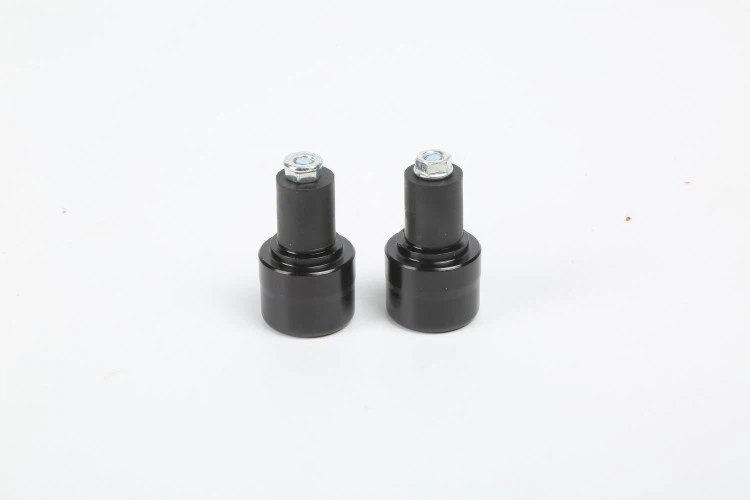
Cnc Handlebar Grips Handle Bar Cap End Plugs Motorcycle Parts Universal For Honda Yamaha Suzuki K Bmw Kawasaki
Motorcycle Tuning Parts Plastic Hand Guard And Handlebar Windshield Throttle Combination Accessories with Rubber Cover
Cnc Alloy Universal Motorcycle Aluminum Alloy Front Fork Cup Falling Crush Protector Explosion - proof Sliders Crash
We are eager to engage in discussions with you about your train safety requirements. Our team of experts is ready to provide you with detailed technical information and support. If you are a train manufacturer, operator, or involved in the railway industry, we encourage you to reach out to us for procurement and further consultations.
References
- UIC (International Union of Railways). "Crashworthiness Requirements for Railway Vehicles."
- Federal Railroad Administration. "Safety Research and Development Program."
- European Union Agency for Railways. "Technical Specifications for Interoperability (TSI) - Safety."


