


When it comes to maintaining your vehicle, one of the most crucial aspects is keeping an eye on the oil level and its condition. A dipstick is a simple yet essential tool that allows you to do just that. As an oil dipstick supplier, I've seen firsthand the importance of understanding what different oil conditions mean, especially when it comes to the presence of water in the oil. In this blog post, I'll discuss what water in the oil looks like on the dipstick, why it's a problem, and how you can address it.
What Does Water in the Oil Look Like on the Dipstick?
The appearance of water in the oil on the dipstick can vary depending on the amount of water present and the type of engine. Here are some common signs to look out for:
Milky or Foamy Appearance
One of the most obvious signs of water in the oil is a milky or foamy appearance. This occurs when water mixes with the oil, creating an emulsion. The milky color is due to the light scattering off the tiny water droplets suspended in the oil. If you see a thick, creamy substance on the dipstick that resembles milk, it's a clear indication that there is water in the oil.
Brownish or Rusty Color
In some cases, water in the oil can cause the oil to turn brownish or rusty. This is because water can react with the metal components in the engine, leading to corrosion. The rust particles then mix with the oil, giving it a discolored appearance. If you notice a brownish or rusty tint on the dipstick, it's important to address the issue promptly to prevent further damage to the engine.
Bubbles or Air Pockets
Another sign of water in the oil is the presence of bubbles or air pockets on the dipstick. Water can cause the oil to become aerated, creating bubbles that rise to the surface. If you see small bubbles or air pockets on the dipstick, it could be a sign that there is water in the oil.
Separation of Layers
In severe cases, water in the oil can cause the oil to separate into layers. This occurs when the water and oil are unable to mix properly, resulting in distinct layers of water and oil on the dipstick. If you notice a clear separation of layers on the dipstick, it's a serious indication that there is a significant amount of water in the oil.
Why is Water in the Oil a Problem?
Water in the oil can cause a number of problems for your engine, including:
Reduced Lubrication
Oil is designed to lubricate the moving parts in the engine, reducing friction and wear. When water mixes with the oil, it can reduce the oil's lubricating properties, leading to increased friction and wear on the engine components. This can cause premature engine failure and costly repairs.
Corrosion
As mentioned earlier, water can react with the metal components in the engine, leading to corrosion. Corrosion can weaken the engine components, making them more prone to failure. It can also cause leaks and other problems that can affect the performance of the engine.
Overheating
Water in the oil can also cause the engine to overheat. This is because water has a lower boiling point than oil, and when it boils, it can create steam that can cause the engine to overheat. Overheating can cause serious damage to the engine, including warped cylinder heads and blown gaskets.
Reduced Fuel Efficiency
Water in the oil can also reduce the fuel efficiency of your vehicle. This is because the engine has to work harder to overcome the increased friction and wear caused by the water in the oil. As a result, your vehicle may consume more fuel than normal, leading to higher fuel costs.
What Causes Water to Get into the Oil?
There are several reasons why water may get into the oil, including:
Coolant Leak
One of the most common causes of water in the oil is a coolant leak. The coolant system in your vehicle is responsible for keeping the engine cool, and if there is a leak in the system, coolant can mix with the oil. This can occur due to a damaged radiator, a leaking head gasket, or a cracked engine block.
Condensation
Another common cause of water in the oil is condensation. When the engine is not running, moisture can accumulate in the engine, especially in cold weather. This moisture can then mix with the oil, causing it to become contaminated.
Driving in Wet Conditions
If you drive your vehicle in wet conditions, such as through puddles or during heavy rain, water can splash onto the engine and get into the oil. This is more likely to occur if the engine is not properly sealed or if there are gaps in the engine compartment.
Faulty PCV Valve
The Positive Crankcase Ventilation (PCV) valve is responsible for regulating the flow of gases in the engine. If the PCV valve is faulty, it can cause a buildup of pressure in the crankcase, which can force water and other contaminants into the oil.
How to Address Water in the Oil
If you suspect that there is water in the oil, it's important to address the issue promptly to prevent further damage to the engine. Here are some steps you can take:
Check the Coolant System
The first step is to check the coolant system for leaks. Look for signs of coolant on the ground under the vehicle, or check the coolant level in the radiator. If you suspect a coolant leak, it's important to have the system inspected and repaired by a qualified mechanic.
Change the Oil and Filter
If there is water in the oil, it's important to change the oil and filter as soon as possible. This will remove the contaminated oil and prevent further damage to the engine. Make sure to use the correct type of oil for your vehicle, and follow the manufacturer's recommendations for oil change intervals.
Drain the Water
If there is a significant amount of water in the oil, you may need to drain the water from the engine. This can be done by removing the drain plug from the oil pan and allowing the water to drain out. Make sure to dispose of the contaminated oil and water properly.
Inspect the Engine
After changing the oil and draining the water, it's important to inspect the engine for any signs of damage. Look for signs of corrosion or wear on the engine components, and check the gaskets and seals for leaks. If you notice any damage, it's important to have the engine repaired by a qualified mechanic.
Conclusion
In conclusion, water in the oil is a serious problem that can cause significant damage to your engine if left untreated. As an oil dipstick supplier, I recommend that you regularly check your oil level and condition using a dipstick. If you notice any signs of water in the oil, such as a milky or foamy appearance, a brownish or rusty color, bubbles or air pockets, or separation of layers, it's important to address the issue promptly. By following the steps outlined in this blog post, you can prevent further damage to your engine and keep it running smoothly for years to come.
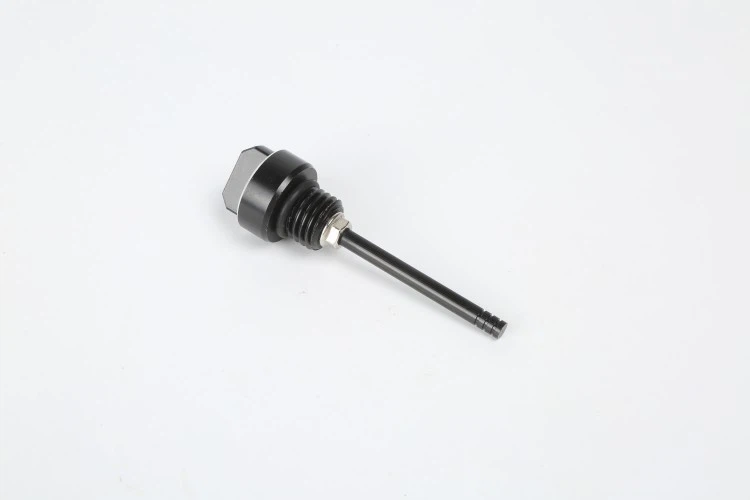
If you're in the market for high-quality oil dipsticks or other automotive accessories, I invite you to explore our product range. We offer a wide selection of oil dipsticks for various vehicles, including motorcycles and cars. Check out our Lingqi Motorcycle Oil Dipstick For Crf 250r 250x Crf250r Crf250x Crf450r for Dirt Pit Bike Off Road Motocross Accessories, Car Rubber High Pressure Cap Trendy Cool Car Motorcycle Spark Plug Cap Car Universal Accessories Spark Cap, and Universal High Voltage Flash Spark Plug Cap New Condition Motorcycle Modification Accessories. If you have any questions or would like to discuss your procurement needs, please feel free to reach out to us. We're here to help you find the right products for your vehicles.
References
- "Automotive Engine Repair Manual," various editions
- "The Complete Idiot's Guide to Car Maintenance and Repair," by Dennis Parks
- Online automotive forums and communities for real-world experiences and advice.


