


Hey there! As a crashworthiness supplier, I've seen firsthand how crucial it is to understand what factors affect crashworthiness. In this blog, I'm gonna break down the key elements that play a role in how well a vehicle or equipment can withstand a crash.
Material Selection
One of the most significant factors in crashworthiness is the materials used in the construction. Different materials have varying properties when it comes to absorbing and dissipating energy during a collision.
For example, high - strength steel is a popular choice in the automotive and motorcycle industries. It's strong and can handle a lot of force without deforming too much. This means it can help maintain the structural integrity of the vehicle, protecting the occupants. Aluminum alloys are also widely used. They're lightweight, which is great for improving fuel efficiency, but they can also be engineered to absorb energy effectively.

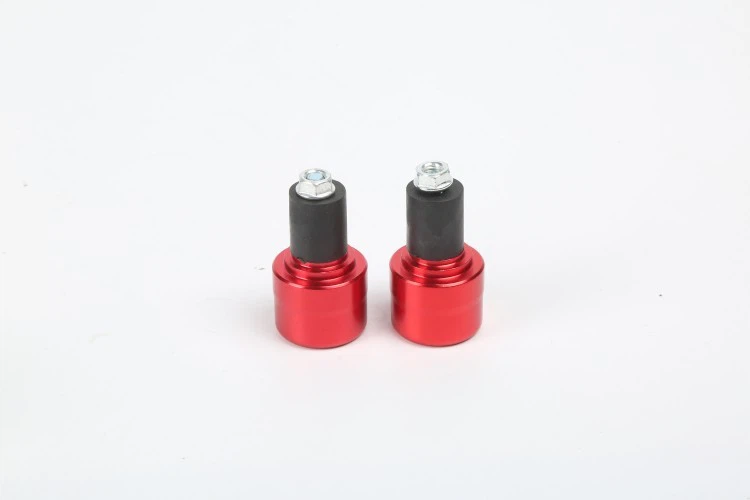
Take our Cnc Alloy Universal Motorcycle Aluminum Alloy Front Fork Cup Falling Crush Protector Explosion - proof Sliders Crash. The aluminum alloy used here is carefully selected to provide both protection and durability. It can absorb the impact energy when the motorcycle takes a fall, reducing the damage to the front fork and other critical components.
Design and Geometry
The design and geometry of a product have a huge impact on its crashworthiness. A well - designed structure can channel the energy from a crash away from the most vulnerable areas.
In the case of motorcycles, the frame design is crucial. A frame with a proper crumple zone can absorb and dissipate energy in a controlled manner. The shape of the body panels also matters. Smooth, aerodynamic shapes can reduce the force of impact by allowing the vehicle to slide or deflect more easily during a crash.
Our Motorcycle Tuning Parts Plastic Hand Guard And Handlebar Windshield Throttle Combination Accessories with Rubber Cover is designed with both functionality and crashworthiness in mind. The shape of the hand guard is engineered to protect the rider's hands from direct impact, and the rubber cover helps to absorb some of the shock.
Manufacturing Processes
The way a product is manufactured can also affect its crashworthiness. High - quality manufacturing processes ensure that the materials are used to their full potential.
Welding is a common process in vehicle and equipment manufacturing. A good weld can ensure that the different parts of a structure are securely joined, allowing them to work together to absorb and transfer energy during a crash. Precision machining is also important. For example, the Cnc Handlebar Grips Handle Bar Cap End Plugs Motorcycle Parts Universal For Honda Yamaha Suzuki K Bmw Kawasaki are made using CNC machining, which provides a high level of accuracy and consistency. This ensures that the parts fit perfectly and can perform their intended function in a crash.
Safety Features and Technology
Modern safety features and technology have revolutionized crashworthiness. Airbags are a well - known example in the automotive industry. They can deploy in milliseconds during a crash, providing a cushion between the occupant and the hard surfaces of the vehicle.
In the motorcycle world, there are also some emerging safety technologies. Anti - lock braking systems (ABS) can prevent the wheels from locking up during a sudden stop, reducing the risk of skidding and improving control. Electronic stability control (ESC) can help keep the motorcycle stable during a turn or in slippery conditions.
Environmental Factors
Environmental factors can't be ignored when it comes to crashworthiness. Temperature, humidity, and road conditions can all affect how a vehicle or equipment performs in a crash.
In cold weather, some materials may become more brittle, reducing their ability to absorb energy. On the other hand, high temperatures can cause materials to expand, which may affect the fit and performance of certain components. Wet or icy roads can increase the stopping distance and the likelihood of a crash.
Maintenance and Wear
Regular maintenance is essential for ensuring that a vehicle or equipment maintains its crashworthiness over time. Worn - out parts may not perform as well in a crash as they should.
For example, if the brakes on a motorcycle are not properly maintained, they may not be able to stop the vehicle quickly enough in an emergency. The same goes for the tires. Worn tires have less traction, increasing the risk of skidding and losing control.
So, as you can see, there are many factors that affect crashworthiness. At our company, we take all these factors into account when developing and manufacturing our products. We're constantly researching and innovating to improve the crashworthiness of our offerings.
If you're interested in purchasing high - quality crashworthiness products, whether it's for your motorcycle or other vehicles, feel free to reach out for a procurement discussion. We're here to provide you with the best solutions to keep you safe on the road.
References
- Smith, J. (2020). Crashworthiness Design in the Automotive Industry. Journal of Vehicle Safety.
- Johnson, A. (2019). Motorcycle Safety Technologies: A Review. International Journal of Motorcycle Engineering.
- Brown, C. (2021). The Impact of Environmental Factors on Material Performance in Crashes. Materials Science Quarterly.


