


As an oil cup supplier, I've had the privilege of delving deep into the intricacies of these essential components. One of the most frequently asked questions I encounter is about the abrasion resistance of an oil cup. In this blog post, I'll share my insights on what abrasion resistance means for oil cups, why it's crucial, and how we ensure our products meet the highest standards.
Understanding Abrasion Resistance
Abrasion resistance refers to an oil cup's ability to withstand the wear and tear caused by friction, rubbing, or scraping against other surfaces. In the context of oil cups, this is particularly important because they are often exposed to various mechanical and environmental factors that can cause abrasion.
When an oil cup is installed in a machine or vehicle, it may come into contact with moving parts, such as gears, shafts, or pistons. These parts can generate friction, which can gradually wear down the surface of the oil cup. Additionally, the oil cup may be exposed to dirt, dust, and other abrasive particles in the environment, which can further contribute to abrasion.
Over time, abrasion can cause the oil cup to lose its integrity, leading to leaks, reduced performance, and ultimately, failure. Therefore, it's essential to choose an oil cup with high abrasion resistance to ensure its long-term reliability and functionality.
Factors Affecting Abrasion Resistance
Several factors can affect the abrasion resistance of an oil cup. These include:
Material Selection
The choice of material is one of the most critical factors in determining an oil cup's abrasion resistance. Different materials have different properties, and some are more resistant to abrasion than others.
For example, metals such as stainless steel and aluminum are known for their high strength and durability, making them excellent choices for oil cups. These materials can withstand high levels of friction and wear without losing their shape or integrity.
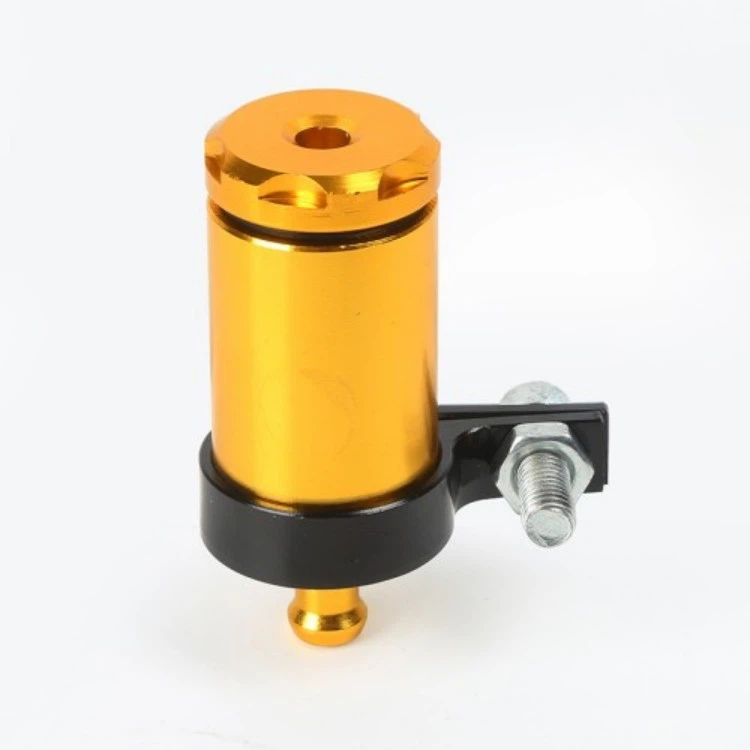

Plastics, on the other hand, can also be used to manufacture oil cups. However, not all plastics are created equal, and some may be more prone to abrasion than others. For instance, polycarbonate and acrylonitrile butadiene styrene (ABS) are relatively hard and abrasion-resistant plastics, while polyethylene and polypropylene are softer and more susceptible to wear.
Surface Finish
The surface finish of an oil cup can also have a significant impact on its abrasion resistance. A smooth surface finish can reduce friction and wear, while a rough or uneven surface can increase the likelihood of abrasion.
To improve the surface finish of an oil cup, manufacturers may use various techniques, such as polishing, grinding, or coating. These processes can help to create a smooth and uniform surface that is less likely to be damaged by friction or abrasion.
Design and Construction
The design and construction of an oil cup can also affect its abrasion resistance. For example, an oil cup with a thick wall and a sturdy construction is generally more resistant to abrasion than one with a thin wall and a flimsy design.
Additionally, the shape and size of an oil cup can also play a role in its abrasion resistance. An oil cup that is designed to fit snugly in its intended application and has minimal contact with other surfaces is less likely to be damaged by abrasion.
Importance of Abrasion Resistance in Oil Cups
The abrasion resistance of an oil cup is crucial for several reasons:
Longevity
An oil cup with high abrasion resistance is more likely to last longer than one with low abrasion resistance. This means that you'll need to replace the oil cup less frequently, which can save you time and money in the long run.
Reliability
Abrasion can cause an oil cup to develop leaks or other defects, which can compromise its performance and reliability. By choosing an oil cup with high abrasion resistance, you can ensure that it will function properly and reliably for an extended period of time.
Safety
In some applications, such as in the automotive or aerospace industries, the failure of an oil cup can have serious safety consequences. For example, a leaking oil cup can cause a loss of lubrication, which can lead to overheating, component failure, and even accidents. By using an oil cup with high abrasion resistance, you can reduce the risk of such failures and ensure the safety of your equipment and personnel.
Our Approach to Ensuring Abrasion Resistance
As an oil cup supplier, we take the abrasion resistance of our products very seriously. We use only the highest quality materials and advanced manufacturing processes to ensure that our oil cups meet the most stringent standards of durability and performance.
Material Selection
We carefully select the materials for our oil cups based on their abrasion resistance, strength, and other properties. We use a variety of metals and plastics, including stainless steel, aluminum, polycarbonate, and ABS, to ensure that we can offer our customers the best possible solution for their specific needs.
Surface Treatment
We also apply various surface treatments to our oil cups to improve their abrasion resistance. For example, we may use a hard anodizing process to create a protective layer on the surface of aluminum oil cups, or we may apply a special coating to plastic oil cups to make them more resistant to wear and tear.
Quality Control
We have a rigorous quality control system in place to ensure that every oil cup we produce meets our high standards of quality and performance. We conduct various tests and inspections throughout the manufacturing process to check for defects, such as cracks, scratches, or uneven surfaces. We also perform abrasion tests on our oil cups to ensure that they can withstand the expected levels of wear and tear.
Product Example: Motorcycle Accessories Rear Brake Fluid Tank Oil Cup Reservoir Cover Cnc Aluminum For Universal
One of our popular products is the Motorcycle Accessories Rear Brake Fluid Tank Oil Cup Reservoir Cover Cnc Aluminum For Universal. This oil cup is made of high-quality CNC aluminum, which provides excellent abrasion resistance and durability.
The CNC machining process ensures that the oil cup has a precise and accurate shape, which reduces the likelihood of abrasion caused by improper fitting. The oil cup also has a smooth surface finish, which further enhances its abrasion resistance.
In addition to its abrasion resistance, this oil cup is also designed to be easy to install and maintain. It comes with all the necessary hardware and instructions, and it can be easily removed and cleaned if necessary.
Conclusion
In conclusion, the abrasion resistance of an oil cup is a crucial factor that can affect its longevity, reliability, and safety. As an oil cup supplier, we understand the importance of providing our customers with high-quality products that can withstand the harsh conditions of their applications.
By using the right materials, surface treatments, and manufacturing processes, we can ensure that our oil cups have excellent abrasion resistance and can provide long-term performance and reliability. If you're in the market for an oil cup, I encourage you to consider our products and contact us to discuss your specific needs. We'd be happy to help you find the perfect solution for your application.
References
- Callister, W. D., & Rethwisch, D. G. (2017). Materials Science and Engineering: An Introduction. Wiley.
- Ashby, M. F., & Jones, D. R. H. (2012). Engineering Materials 1: An Introduction to Properties, Applications and Design. Butterworth-Heinemann.
- Van Vlack, L. H. (1989). Elements of Materials Science and Engineering. Addison-Wesley.


