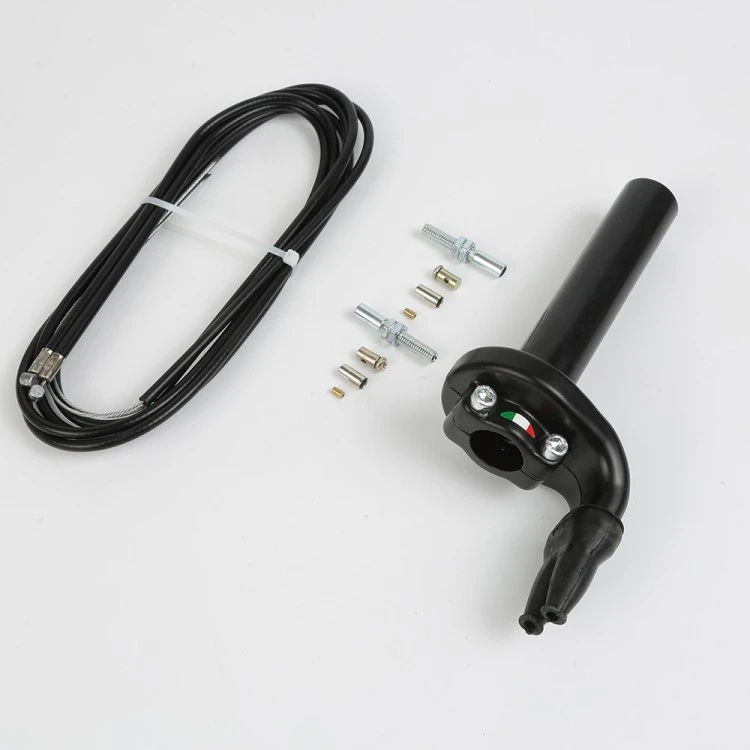
Handlebar grips are an essential component of motorcycles, bicycles, and other vehicles with handlebars. They not only provide a comfortable and secure grip for the rider but also play a role in absorbing vibrations and enhancing control. As a handlebar grip supplier, I have extensive knowledge about the various materials used in manufacturing these grips. In this blog post, I will explore the different materials commonly used for handlebar grips, their characteristics, and their suitability for various applications.
Rubber
Rubber is one of the most popular materials for handlebar grips due to its excellent grip, comfort, and durability. It is a natural or synthetic polymer that can be molded into various shapes and textures to provide a customized feel. Rubber grips are known for their ability to absorb vibrations, which helps reduce fatigue during long rides. They also offer good traction, even in wet conditions, making them suitable for all types of riding environments.
There are different types of rubber used in handlebar grips, including natural rubber, synthetic rubber, and a combination of both. Natural rubber is derived from the latex of rubber trees and offers excellent elasticity and grip. Synthetic rubber, on the other hand, is made from petrochemicals and can be engineered to have specific properties, such as increased durability or resistance to chemicals.
One of the advantages of rubber grips is their versatility. They can be found in a wide range of styles, from smooth and simple designs to more elaborate ones with patterns or textures. Rubber grips can also be customized with different colors and logos, allowing riders to personalize their vehicles. Additionally, rubber grips are relatively easy to install and replace, making them a popular choice among DIY enthusiasts.
However, rubber grips do have some limitations. Over time, they can wear out, especially if exposed to harsh conditions or frequent use. They may also become sticky or slippery if not properly maintained. To extend the lifespan of rubber grips, it is recommended to clean them regularly with mild soap and water and avoid using abrasive cleaners or solvents.
Foam
Foam is another common material used for handlebar grips, particularly in bicycles and some lightweight motorcycles. Foam grips are known for their softness and comfort, as they provide a cushioning effect that helps reduce hand fatigue. They are also lightweight, which can be beneficial for riders who are looking to reduce the overall weight of their vehicles.
There are different types of foam used in handlebar grips, including closed-cell foam and open-cell foam. Closed-cell foam is more dense and provides better durability and resistance to water and moisture. Open-cell foam, on the other hand, is softer and more breathable, but it may be more prone to absorbing dirt and moisture.
One of the advantages of foam grips is their affordability. They are generally less expensive than rubber grips, making them a popular choice for budget-conscious riders. Foam grips are also easy to install and can be cut to fit different handlebar sizes. Additionally, foam grips can be found in a variety of colors and styles, allowing riders to add a personal touch to their vehicles.
However, foam grips do have some drawbacks. They may not provide as much grip as rubber grips, especially in wet conditions. They are also more prone to wear and tear, and may need to be replaced more frequently. To maintain the performance of foam grips, it is recommended to clean them regularly and avoid exposing them to sharp objects or excessive heat.
Gel
Gel is a relatively new material used in handlebar grips, but it has gained popularity due to its unique properties. Gel grips are made from a soft, flexible material that conforms to the shape of the rider's hands, providing a customized and comfortable grip. They are also known for their excellent vibration absorption, which helps reduce hand fatigue and numbness.
Gel grips are typically made from a silicone-based gel that is encased in a protective outer layer, such as rubber or plastic. The outer layer provides durability and protection for the gel, while the gel itself provides the cushioning and comfort. Gel grips can be found in a variety of styles, including full-grip designs and half-grip designs.
One of the advantages of gel grips is their ability to provide a high level of comfort, even during long rides. They are also suitable for riders with arthritis or other hand conditions, as they help reduce pressure and stress on the hands. Gel grips are also relatively easy to install and can be found in a variety of sizes and colors.
However, gel grips do have some limitations. They may be more expensive than other types of grips, and they may not be as durable as rubber or foam grips. Gel grips may also be more prone to damage if they are exposed to sharp objects or excessive heat. To maintain the performance of gel grips, it is recommended to clean them regularly and avoid exposing them to harsh conditions.
Leather
Leather is a classic material used in handlebar grips, particularly in high-end motorcycles and some luxury bicycles. Leather grips are known for their elegance and sophistication, as they add a touch of style to any vehicle. They are also durable and provide a good grip, especially when they are broken in.
There are different types of leather used in handlebar grips, including full-grain leather, top-grain leather, and synthetic leather. Full-grain leather is the highest quality leather and is known for its durability and natural beauty. Top-grain leather is slightly less expensive and is also durable, but it may not have the same natural texture as full-grain leather. Synthetic leather, on the other hand, is a more affordable alternative to real leather and can be engineered to have similar properties.
One of the advantages of leather grips is their ability to age gracefully. Over time, leather grips will develop a patina, which adds to their character and charm. Leather grips are also relatively easy to maintain, as they can be cleaned with a mild leather cleaner and conditioner. Additionally, leather grips can be found in a variety of colors and styles, allowing riders to customize their vehicles.
However, leather grips do have some drawbacks. They may be more expensive than other types of grips, and they may require more maintenance than rubber or foam grips. Leather grips may also be more prone to damage if they are exposed to water or moisture. To maintain the performance of leather grips, it is recommended to keep them dry and avoid exposing them to harsh conditions.
Carbon Fiber
Carbon fiber is a high-performance material used in handlebar grips, particularly in racing motorcycles and some high-end bicycles. Carbon fiber grips are known for their lightweight and strength, as they are made from a composite material that is stronger than steel but lighter than aluminum. They are also resistant to corrosion and can withstand high temperatures.
Carbon fiber grips are typically made from a woven carbon fiber fabric that is impregnated with a resin and then molded into the desired shape. The result is a grip that is both lightweight and strong, providing excellent performance and durability. Carbon fiber grips can be found in a variety of styles, including full-grain designs and half-grain designs.
One of the advantages of carbon fiber grips is their ability to enhance the performance of the vehicle. They are lightweight, which can help reduce the overall weight of the vehicle and improve its handling and acceleration. Carbon fiber grips are also strong and durable, which can help prevent damage to the handlebars and other components of the vehicle. Additionally, carbon fiber grips can be found in a variety of colors and styles, allowing riders to add a personal touch to their vehicles.
However, carbon fiber grips do have some limitations. They may be more expensive than other types of grips, and they may require more specialized installation and maintenance. Carbon fiber grips may also be more prone to damage if they are exposed to sharp objects or excessive force. To maintain the performance of carbon fiber grips, it is recommended to handle them with care and avoid exposing them to harsh conditions.
Conclusion
In conclusion, there are several materials commonly used for handlebar grips, each with its own unique characteristics and advantages. Rubber is a popular choice due to its excellent grip, comfort, and durability. Foam is a lightweight and affordable option that provides a soft and comfortable grip. Gel is a relatively new material that offers excellent vibration absorption and a customized fit. Leather is a classic material that adds a touch of style and sophistication to any vehicle. Carbon fiber is a high-performance material that provides lightweight and strength.
As a handlebar grip supplier, I offer a wide range of grips made from different materials to suit the needs and preferences of our customers. Whether you are a casual rider looking for a comfortable and affordable grip or a professional racer looking for a high-performance grip, we have the perfect solution for you. If you are interested in learning more about our handlebar grips or would like to place an order, please feel free to contact us. We look forward to working with you and helping you find the perfect handlebar grips for your vehicle.
References
- "Handlebar Grips: Materials and Types." Motorcycle.com.
- "The Best Handlebar Grips for Your Motorcycle." RevZilla.
- "Bicycle Handlebar Grips: A Buyer's Guide." Bicycling.com.
To explore more related products, you can visit the following links:
- Motorcycle Tuning Parts Modified Throttle Turnkey Throttle Accessories with Throttle Line
- Motorcycle Modified CNC Throttle Handle CRQ CRF Motorcycle Large Oil Adjustable Visual Handle With Throttle Cable
- Otom Motorcycle Throttle Twist Grip For Crf150r 07-14 Crf250r 04-14 Crf450r 02-14
If you are interested in purchasing handlebar grips or have any questions about our products, please don't hesitate to contact us for procurement discussions. We are eager to provide you with the best products and services.