


Hey there, fellow bike enthusiasts! I'm a supplier of handle switches for bikes, and today I wanna chat about how to optimize the performance of these crucial components.
First off, let's understand why handle switch performance matters. A well - functioning handle switch can make or break your riding experience. It's what allows you to control various functions of your bike, like lights, signals, and the starter, with ease. A faulty or poorly performing switch can lead to safety issues and just plain annoyance on the road.

1. Material Selection
One of the key factors in optimizing handle switch performance is choosing the right materials. For the outer casing, we need something that's durable and resistant to the elements. Plastic is a common choice, but not all plastics are created equal. High - grade, impact - resistant plastics can withstand the bumps and knocks that come with regular bike use. They also need to be UV - resistant to prevent cracking and fading over time.
The contacts inside the switch are super important too. Copper is a popular choice for its excellent conductivity. But to prevent oxidation and corrosion, which can lead to poor electrical connections, we can use silver - plated copper contacts. These silver - plated contacts ensure a more stable and reliable electrical flow, reducing the chances of intermittent failures.
2. Design and Ergonomics
The design of the handle switch has a huge impact on its performance. It needs to be easy to reach and operate while you're riding. The shape and size of the buttons should fit comfortably under your fingers. For example, larger buttons are generally easier to press, especially when you're wearing gloves.
We also need to consider the layout of the switches. Grouping similar functions together can make it quicker and easier for riders to find what they need. For instance, having the light switches next to each other and the signal switches in another logical group.
Another aspect of design is the actuation force. The force required to press a button should be consistent and not too hard or too soft. If it's too hard, it can be difficult to operate, especially during high - speed or rough - terrain riding. If it's too soft, there's a risk of accidental presses.
3. Electrical Performance
Ensuring good electrical performance is crucial for handle switches. We need to minimize electrical resistance. As I mentioned earlier, using high - quality conductive materials like silver - plated copper helps with this. But we also need to pay attention to the wiring and connections.
The cables that connect the switch to the bike's electrical system should be of the right gauge. A cable that's too thin can cause voltage drops, which can affect the performance of the components being controlled. We also need to make sure the connections are secure. Loose connections can lead to arcing, which not only affects performance but can also be a fire hazard.
4. Durability and Testing
A handle switch needs to be able to withstand a lot of use. That's why we put our switches through rigorous testing. We simulate thousands of button presses to make sure they don't wear out quickly. We also test them in different environmental conditions, like extreme temperatures and high humidity.
For example, we might test a switch in a chamber that can go from - 20°C to 60°C. This helps us ensure that the switch will work properly in all kinds of weather. We also test for water resistance. A bike can get wet from rain or splashes, so the switch needs to be able to handle that without short - circuiting.
5. Compatibility
Handle switches need to be compatible with different bike models. We need to make sure the electrical specifications match the bike's electrical system. This includes things like the voltage and current requirements.
We also need to consider the physical mounting. The switch should fit properly on the handlebar. Different bikes have different handlebar diameters, so we need to offer switches that can be easily adapted to various sizes. For example, some of our switches come with adjustable mounting brackets to fit handlebars ranging from 22mm to 25mm.
Our Product Range
We have a wide range of handle switches to meet different needs. Check out some of our popular products:
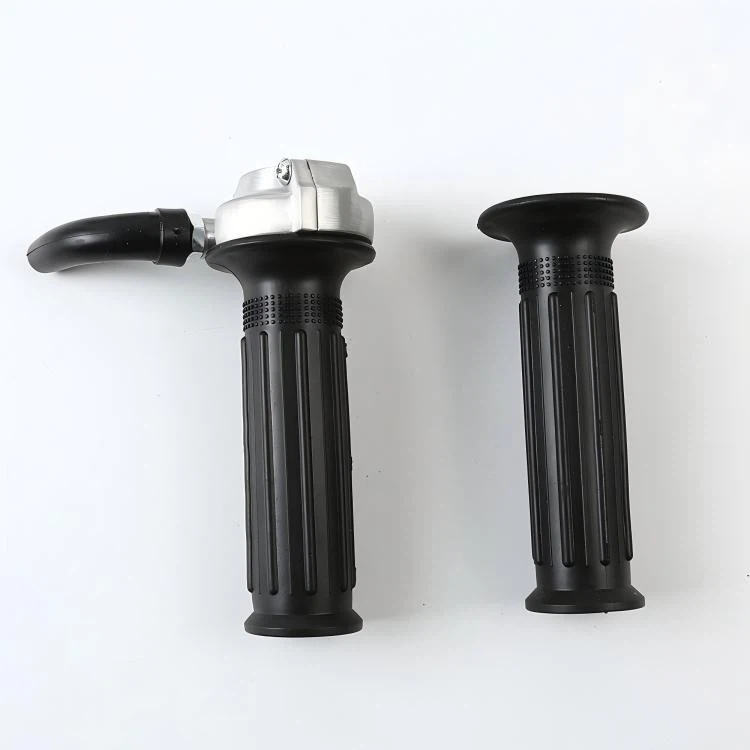
- 22mm 7/8" Push/pull Motorcycle Throttle Fuel Oil Handlebar Control Grips with Cable And Start Switch Button Silver: This product combines a throttle grip with a start switch button, offering a convenient and integrated solution. The silver finish not only looks cool but also provides good corrosion resistance.
- Black 7/8" 22mm Motorcycle Throttle Handlebar Handgrip For Gn125 Gn 125 Cafe Racer Old School Retro Custom: If you're into that old - school, retro look, this black throttle handlebar handgrip with integrated switches is a great choice. It's designed to fit specific bike models like the Gn125, ensuring a perfect match.
- 22mm Standard Motorcycle Carburetor Twist Quick Throttle Handle Grip Throttle Cable Acceleration For Off - road Dirt Bike: For off - road enthusiasts, this throttle handle grip is built to handle the rough and tumble of dirt biking. It provides quick and responsive acceleration control.
6. Maintenance and After - Sales Support
Even with the best - designed and highest - quality handle switches, some maintenance might be required over time. We provide clear instructions on how to clean and lubricate the switches. A simple cleaning with a non - abrasive cleaner can remove dirt and grime that might affect the switch's performance.
We also offer excellent after - sales support. If a customer has any issues with our handle switches, our team is ready to help. We can diagnose problems over the phone or provide replacement parts if needed.
7. Cost - Benefit Analysis
When optimizing handle switch performance, we also need to consider the cost - benefit ratio. Using high - end materials and advanced manufacturing techniques can increase the cost of the switch. But if it leads to fewer failures and longer product life, it can actually save money in the long run.
Customers are often willing to pay a bit more for a handle switch that they know will be reliable and perform well. So, while we need to keep costs in check, we can't sacrifice quality for the sake of a lower price.
Wrapping Up and Business Opportunity
In conclusion, optimizing handle switch performance involves a combination of material selection, design, electrical performance, durability testing, compatibility, and good maintenance. By focusing on these aspects, we can provide bike riders with switches that are reliable, easy to use, and built to last.
If you're a bike manufacturer, distributor, or just someone looking for high - quality handle switches for your bike, we'd love to hear from you. We're always open to discussing your specific needs and requirements. Whether you need a custom - designed switch or just want to stock our standard products, we're here to help. Reach out to us, and let's start a conversation about how we can work together to enhance the performance of your bikes.
References
- "Handbook of Electrical Contacts" by J. Holm
- "Materials Science and Engineering: An Introduction" by William D. Callister, Jr. and David G. Rethwisch
- Industry reports on motorcycle component manufacturing and performance standards.


